


I often refer to my years in public safety and corrections as my “million-dollar experience,” one I wouldn’t pay a nickel for. Like Icarus in Greek mythology, I flew too close to the sun, drawn by the allure of responsibility and a drive to shoulder burdens too heavy to bear alone. My initial hubris—a trait I shared with many in the field—was fueled by an organizational culture that often obscured truth under layers of subterfuge, leaving little room to learn from or foster justice within the system. Instead of viewing shared stories as opportunities to address deficits, we are compelled to absorb traumatic narratives without truly understanding the toll they may take. What began as a reckless pursuit of impact and change is becoming a “coming of age” journey that demands resilience and a hard reckoning with my personal limitations.
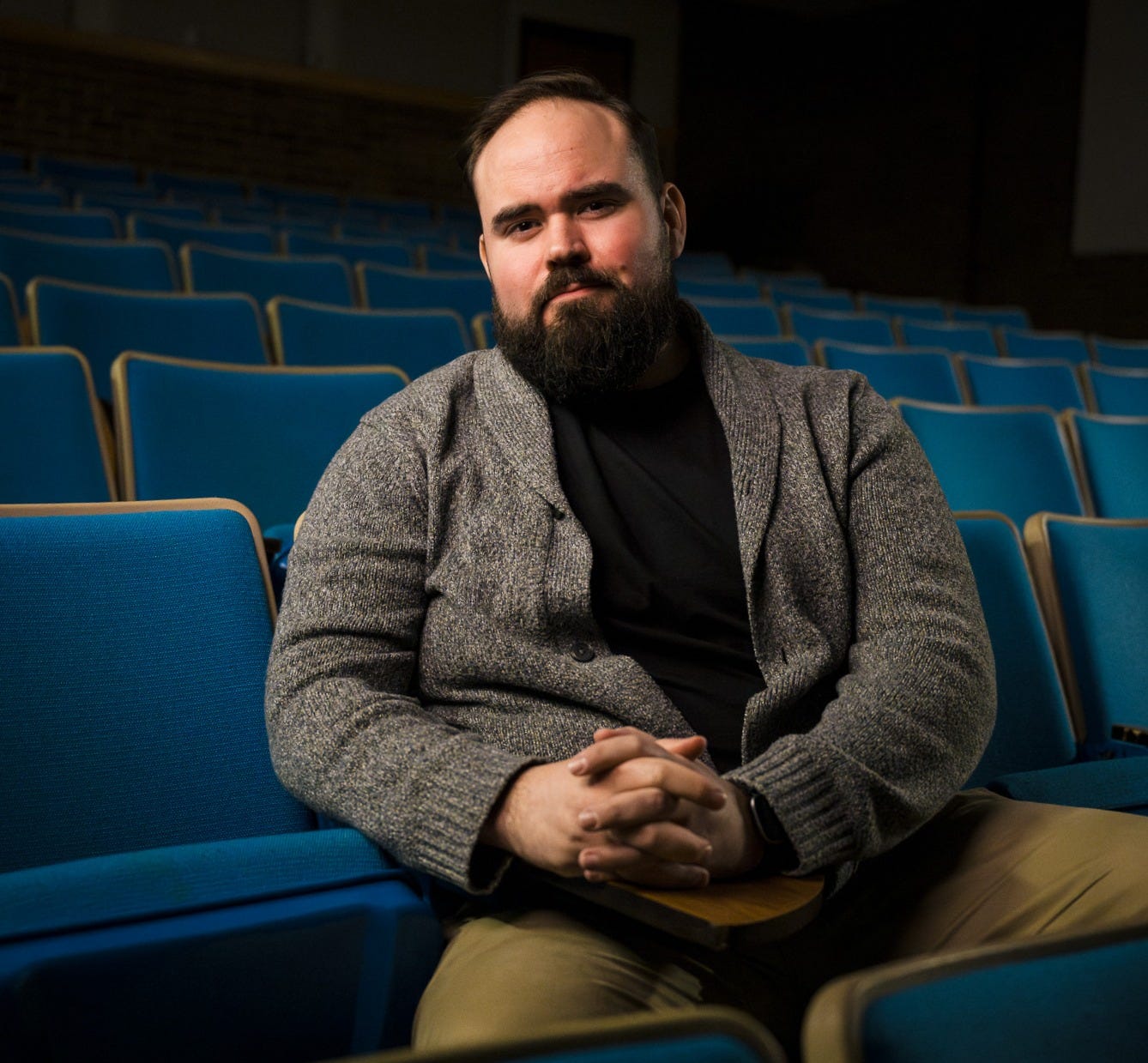
“I had a million-dollar experience I wouldn’t pay a nickel for.” — Jim Paul.
The Realities Behind the Badge
Occupational stress, exacerbated by minimal psychological support and administrative harms, affected many facets of my life, especially as the job spilled into my relationships. The cumulative impact of stress felt like “death by a thousand cuts,” echoing a warning often shared by a trusted colleague and mentor who I recall also stating the need to “maintain boundaries and lower expectations.” Each traumatic case, each moment of professional overreach, wore away at my sense of self and whittled down the idealism that first drove me to the work. Over time, I saw the illusion of infallibility upheld organizationally, a myth preserved at the expense of transparency and genuine support. When the weight of these burdens became unsustainable, I recognized the need to step back, reassess, and ultimately, seek a path forward that balanced my purpose with well-being.
Founding Frontline Peer: A Space for Real Stories
I am in the process of creating Frontline Peer, a social enterprise aimed at responding gaps witnessed—built upon principles by Steven Shorrock’s The Varieties of Human Work, where “work-as-imagined” clashes with “work-as-done.” With my background in criminology and psychology and my current interdisciplinary studies, Frontline Peer aims to provide public safety personnel a safe, anonymous space to share their triumphs and struggles—as well as celebrate and champion accomplishments. Here, voices and truth matters. In founding this platform, I wanted to create a space for professionals to reveal their lived experiences without fear, helping them avoid the isolation and disillusionment I faced in silence. Said differently, I see a problem where reticence is encultured by PSP generally despite the fact that their stories represent vital resources to improve emergent concepts in safety science known as reliability-organizing and resiliency engineering.
Redefining Support in Public Safety
My recovery journey is reshaped by an approach to public safety, focusing on studying human factors, ergonomics, and user-centred design principles. This interdisciplinary path brings me to the Ocean and Public Safety Laboratory at Memorial University of Newfoundland’s Fisheries and Marine Institute. Here, I study how safety principles from high-hazard industries, including seafaring, aviation, and the military, offer a new lens through which to view the demands of public safety work.
One compelling intersection has been the design principles of confined spaces, and how they parallel prison environmental architecture. Just as ships are designed for functionality within tightly controlled, sometimes claustrophobic spaces, correctional facilities operate with similar constraints. These socio-technical environments share unique challenges: both prioritize control, safety, and the need for operational readiness while operating within rigid, unyielding boundaries that test the physical and psychological endurance of those who work within them. The overlap in these design principles underscores the critical importance of user-centred design, which can profoundly impact the well-being and resilience of individuals navigating operations in these spaces.
My interest in survival and the human element of operations in maritime industrial practices and lessons related to situational awareness, crew safety, and confined space ergonomics all of which offer insights into my own public safety practices in probation/parole. Therefore, I find inspiration in my scholarship through works like The Theater of War by Bryan Doerries, which explores cathartic storytelling among military veterans. Borrowing from patient safety protocols in healthcare and training from high-hazard industries including nuclear power, I am noticing how these principles can better equip PSP—not just those on the front lines but also the many individuals who work to keep these systems secure, functional, and resilient.
Through Frontline Peer, I aim to foster a deeper understanding that respects the complexities of high-risk work environments. By grounding our practices in human-centred and interdisciplinary principles, we can build systems that recognize the unique needs of those who inhabit these spaces. Hence, the plan is to cultivate an empathy-driven platform that honours the often-unseen struggles of people thereing by offering a holistic approach to operational readiness, psychosocial support, and bridge the gap between practice and theory.
Building Bridges to Drive Change
Through Frontline Peer, we aim to elevate the conversation on public safety. By sharing real stories authentically, we can challenge myths, advocate for systemic change, and foster public understanding. This is more than storytelling; it’s a call for change emphasizing truth, transparency, and support for PSP, in all their respective communities.
“You Say, Your Way”
If you have a story to share as a firefighter, paramedic, probation/parole officer, maritime worker, or similar—join the conversation. The project is free to those who help us grow now. As we develop community-driven, subscriber-exclusive content, our aim is to support early adopters and reinvest socially and economically back into the community. So, stay stay tuned and subscribe for insights and updates directly to your inbox.
Join the Conversation, Get Involved!
Share with trusted colleagues and friends and learn about future ways you can make a difference. Plus, enjoy perks by referring friends.
Looking forward to more from Frontline Peer!